- May 12
Three essential habits a kid needs to get into if they want to be a serious athlete
- Deniece Oates
Practice, practice and more practice ... speed and agility training ... lifting weights ... fitness ... it's all necessary for the development of an athlete, no matter the sport. If they really want their body to hold up as they pursue their athletic desires though, there are some habits they need to get into early on that will help set them up for success.
1 - Core muscle strengthening
The core muscles are all the muscles that attach to the pelvis, whether they are above or below. They include the abdominals, the low back muscles, the glutes, the hip flexors, the groin muscles, the hamstrings, the Tensor Fasciae latae/IT Band and the hip internal and external rotators.
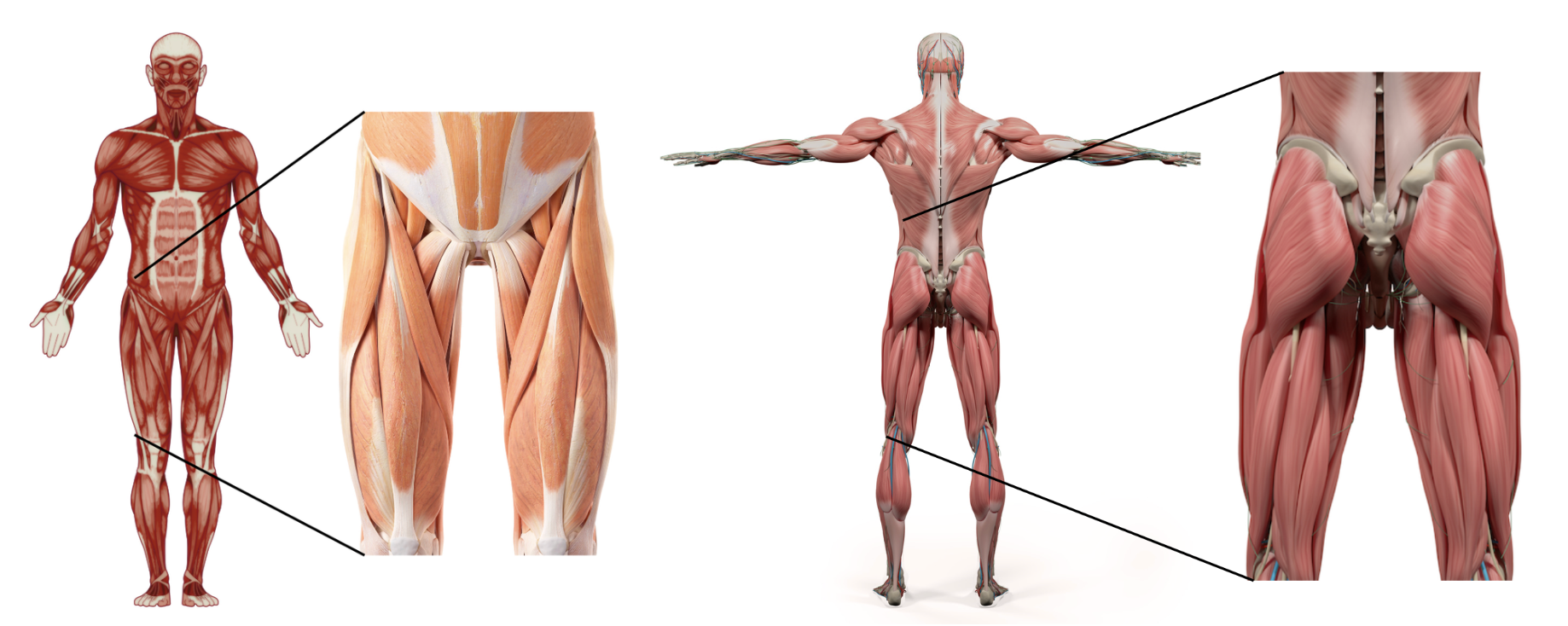
Athletes often perform the same movements over and over again. It's particularly useful to work on strengthening the muscles that are the opposite of the ones producing the movement. (eg hamstrings are the opposite of the quads) Those muscles have to balance and help control the primary movement. Strengthening these opposing muscles helps avoid muscle imbalances and pelvic misalignment problems.
A kid doesn’t have to go to the gym and do heavy weights. They can use resistance bands or cords, which are small and easy to carry around, which makes it easy to do exercises anywhere. There are also some really useful exercises that can be done with a partner, such as Nordic Hamstring Curls and Copenhagens.
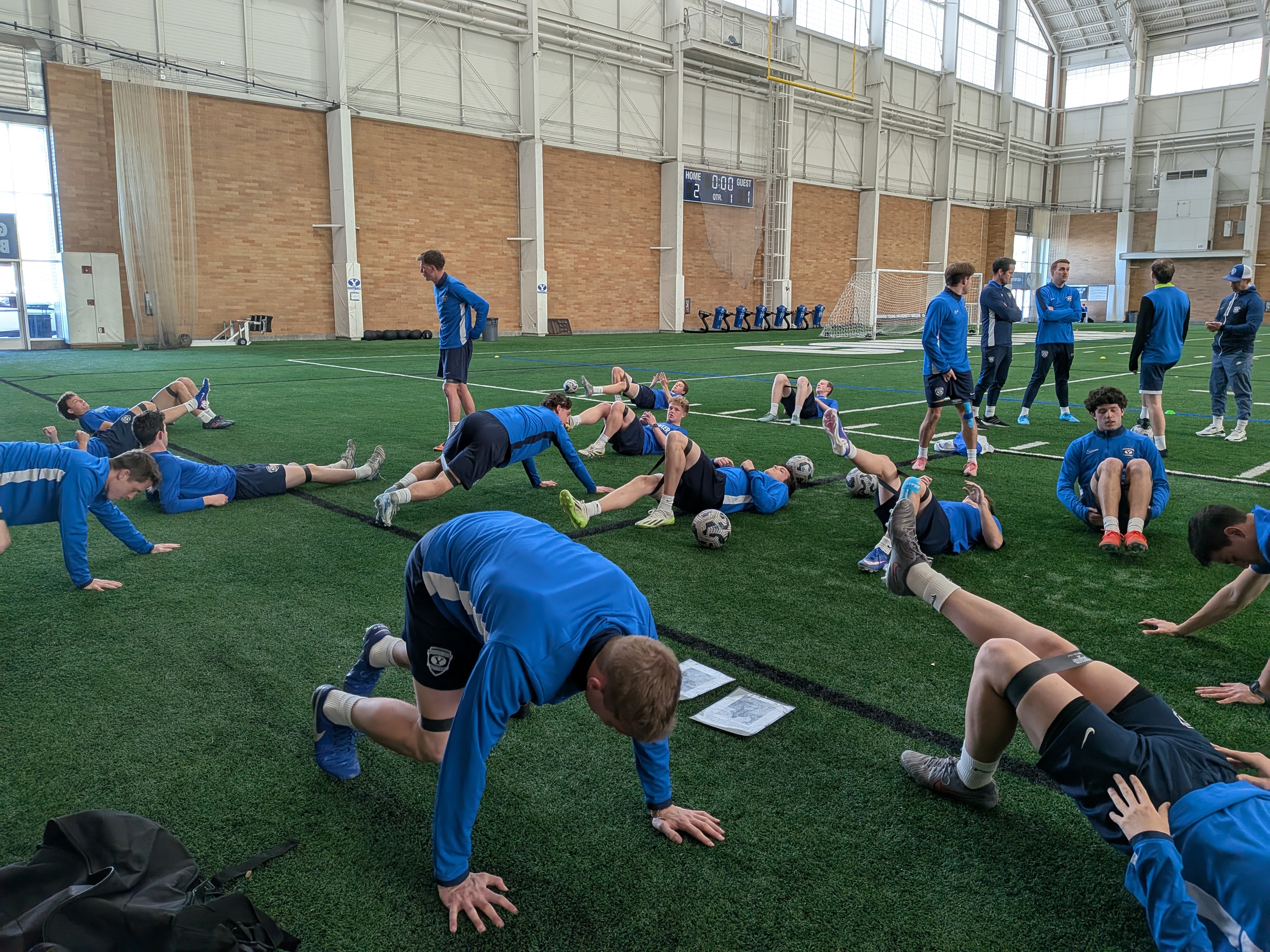
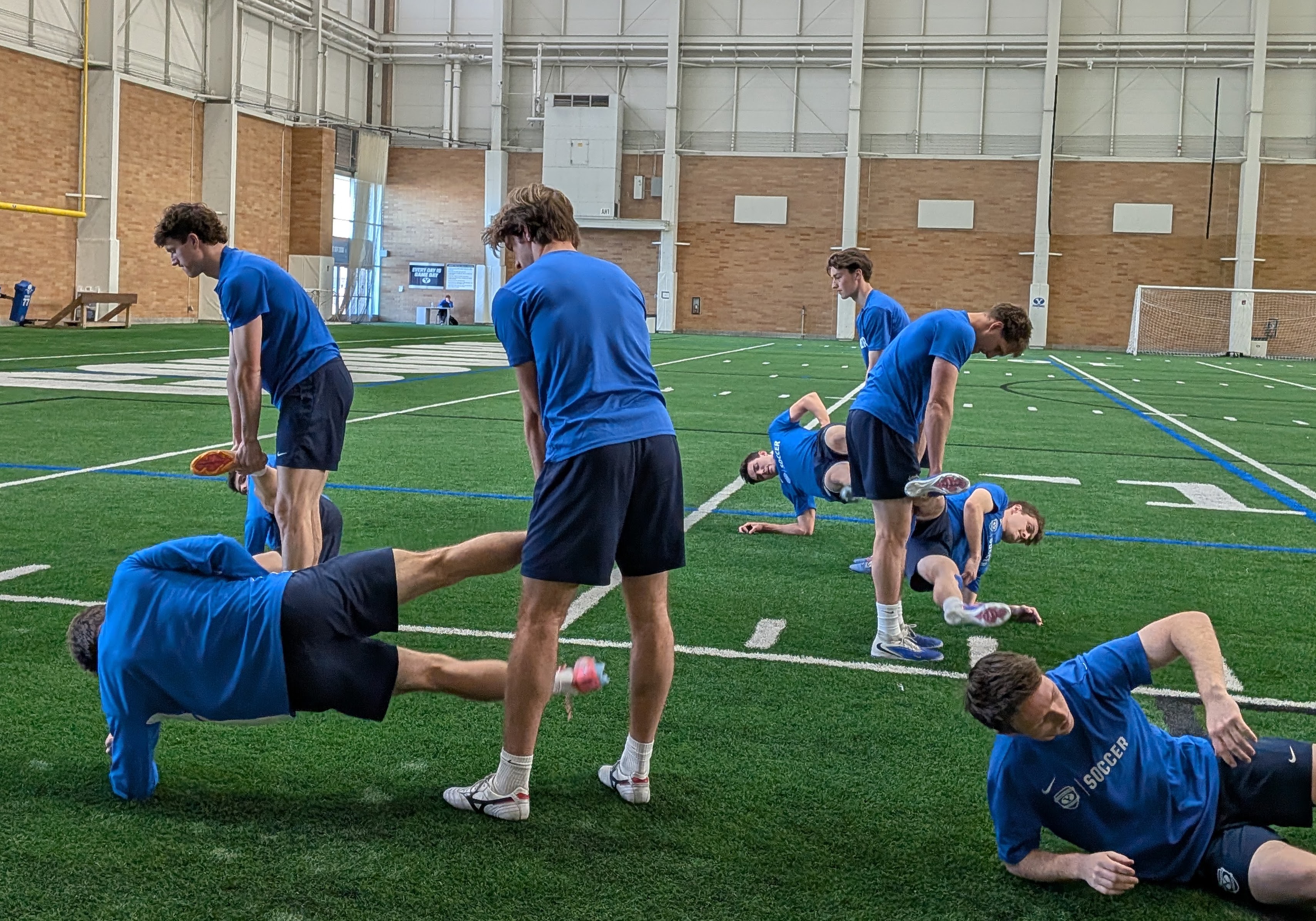
I suggest they download the free Nike Training Club app, get some bands, and create a routine that they do several times a week. Pre-practice is a great time to do it - it will help to warm up those muscles, as well as strengthen them.
Core muscle strengthening will help an athlete avoid injuring those muscles, especially major injuries.
2 - Rolling out
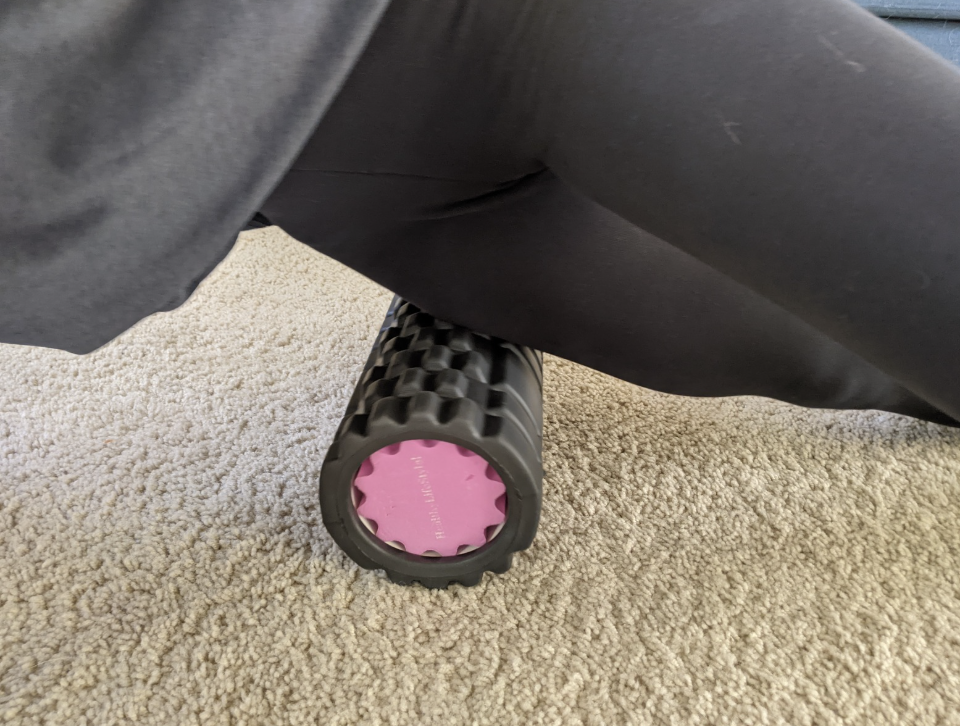
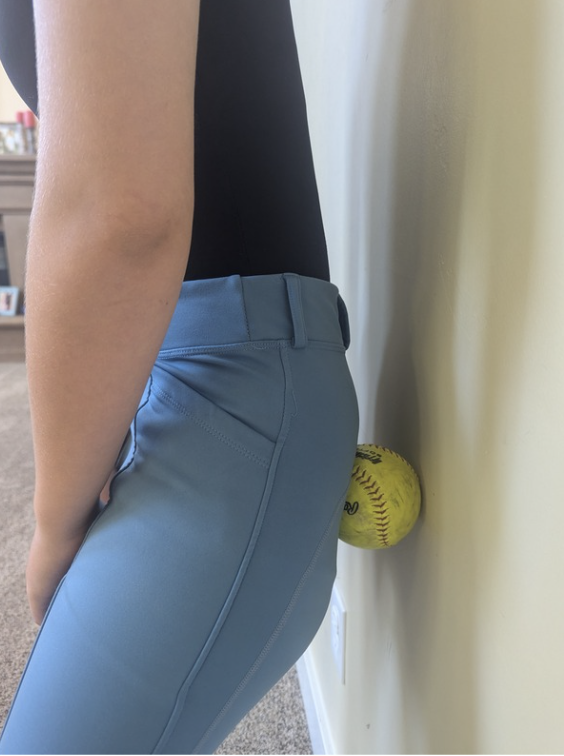
Muscles build up knots over time and with intense workouts. Taking time to roll out after a workout or practice will pay off in heading off that buildup. If there is soreness and tightness, rolling out is essential in helping break down those knots. A firm foam roller is a must for rolling out legs and larger muscle groups. For shoulders, and deep hip rotators, a softball or lacrosse ball works wonders. I roll out my shoulders every night before I go to bed. The goal, when you’re rolling out, is to find a painful spot, then just sit and hold the roller on it for a while - like 20 seconds. Then move on and find another one. You may have to come back to a spot a few times to loosen it up effectively. Doing this consistently is the way to get the best effect.
3 - Ice bathing
Muscles sustain small tears while engaging in intense workouts. These bleed slowly, and can cause a lot of soreness in the next day or two. The problem is you still have to practice or play games, and you’ll get more small muscle tears. The build up of effects of these many intense workout sessions can limit performance from day to day, and cause an athlete a lot of discomfort.
While ice bathing is not a great time in the moment, it helps these small bleeding tears to clot off and limits the amount of blood that gets outside of the circulatory system and pools in an area, causing soreness. An athlete will get used to ice bathing after doing it a time or two, and find that it’s really not that bad. But the results - less soreness and greater ability to sustain intense practice and games at a high performance level - will be amazing!
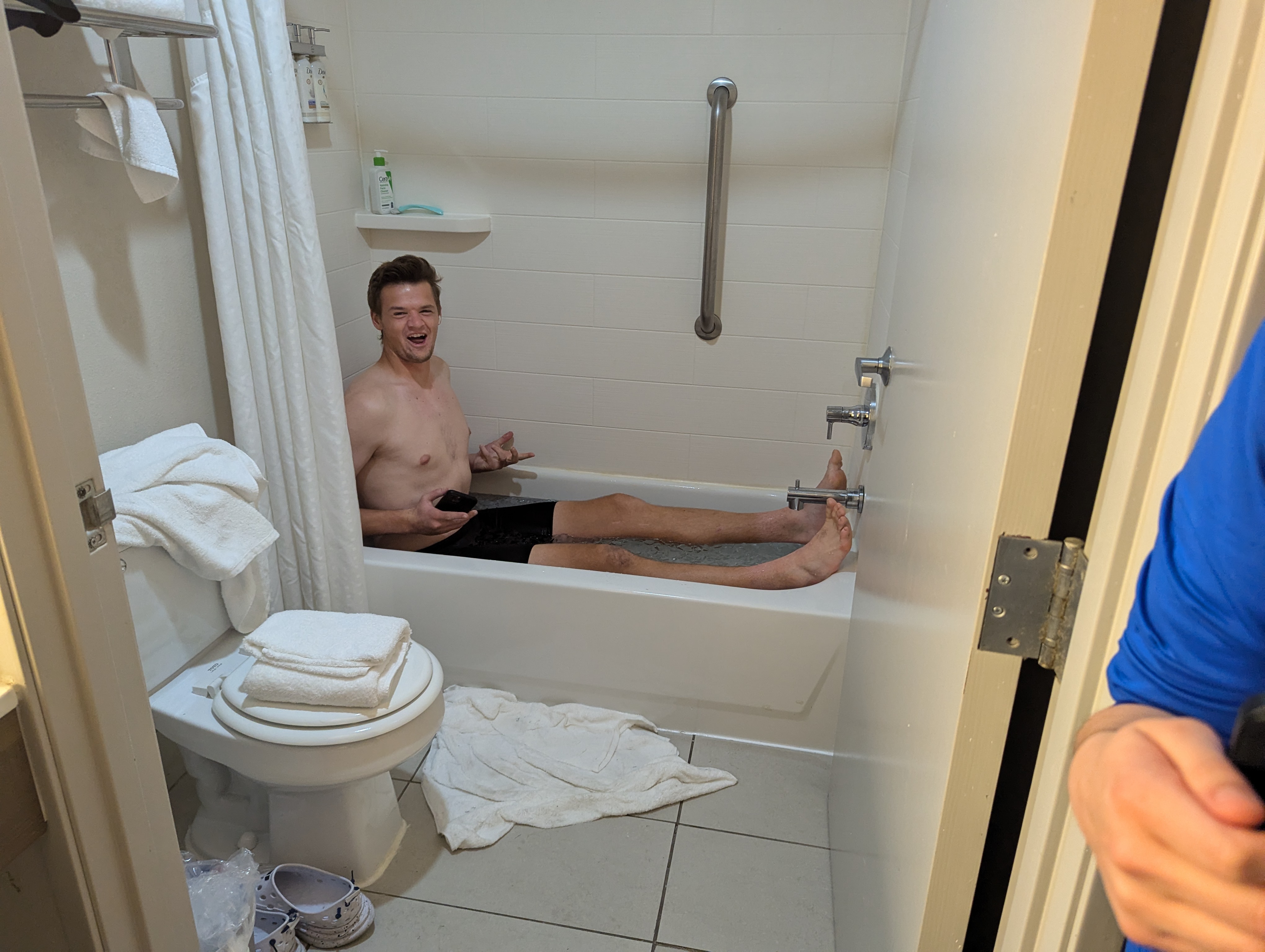
Athletes can just use their bathtub at home and dump some ice from the freezer in. It doesn’t have to be anything fancy.
There you have it - three habits any kid that wants to be a serious athlete should get into!
FREE GUIDE!
How to Care for ANY Sports Injury in the Crucial First 24-72 Hours
In this free guide, I walk you through how to tell if an injury needs immediate medical care and give you simple and easy step by step instructions for what to do at home for any other injury during this important time. I’ll also give you some tips for how to decide what comes next, based on the signs and symptoms you’re seeing with your athlete.
Don’t get lost in stress and worry about your athlete’s injury or ignore it and hope it will just go away. Grab my FREE GUIDE today to level up your ability to take care of your athlete!