- Sep 26, 2025
Hamstring Injuries Across Youth Sports
- Deniece Oates
Hamstring injuries are very common across many high-performance youth sports, especially those involving sprinting, jumping, cutting, or explosive lower-body movement. I was curious how hamstring injury rates compare with different sports, and between girls and boys. Interestingly, I found there is no statistically significant difference in hamstring injury rates between girls and boys in each sport. Below is a breakdown of hamstring injury rates by sport, along with some interesting notes:
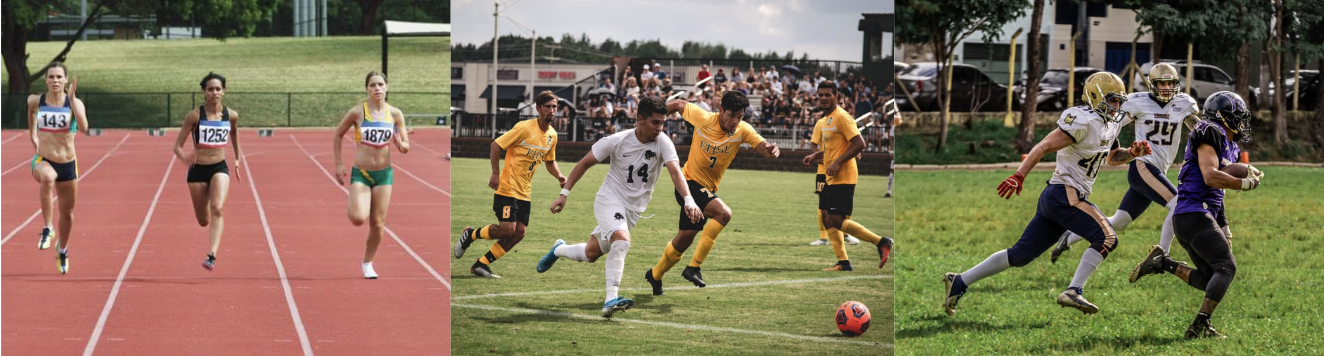
Track & Field (Youth Sprinters, Hurdlers, Jumpers)
Hamstring strains are the #1 injury in sprint and hurdle events, accounting for up to 30% of all injuries in these disciplines.
Often occur during max velocity sprinting and typically involve the outer leg muscle - the long head of the Biceps Femoris.
Recurrence rates are high—up to 25–30%—especially when the pelvis is tilted or rotated from high stride forces and repetitive training loads.
Soccer
Hamstring strains are among the top 3 injuries in elite-level youth soccer.
Account for 12–16% of all injuries in academies and high-level clubs.
Players recently experiencing a growth spurt are especially at risk.
Re-injury is shockingly common—up to 30% within the same season.
Football
Hamstring injuries make up up to 15% of muscle injuries in high school and elite youth football.
Positions that sprint and cut (running backs, receivers, DBs) are most affected.
Often show up during preseason or early training when athletes aren't fully conditioned.
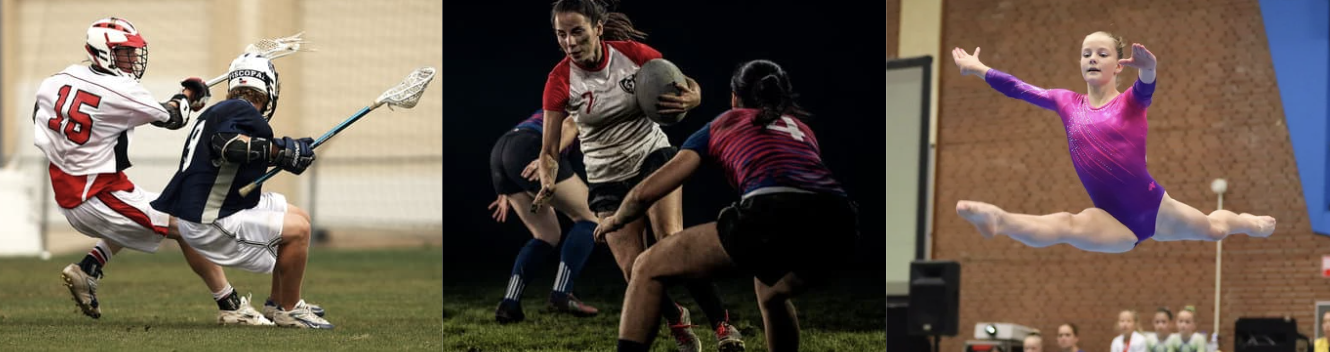
Lacrosse (Elite Youth & High School)
Hamstring injuries account for 10–15% of all soft tissue injuries.
Most common during sprinting, dodging, or sudden directional changes—especially in midfielders and attackers.
Risk is heightened by poor preseason conditioning and muscle imbalances.
Rugby (Elite Youth & Academy Level)
Hamstring injuries make up 10–14% of all injuries, particularly in backs who sprint frequently.
Risk increases when players are fatigued or playing on consecutive days.
Re-injury is common, especially if return-to-play is rushed without addressing mechanics or pelvic alignment.
Gymnastics (Elite Youth & Competitive Levels)
Hamstring injuries make up approximately 8–15% of all muscle injuries in competitive youth gymnastics.
Most often occur during split leaps, tumbling passes, or overstretching motions—particularly in floor and beam routines.
Overuse and flexibility without enough eccentric strength or pelvic control are major contributing factors.
Injuries commonly involve the top of the hamstring tendon near the sit bone, especially in hypermobile athletes.
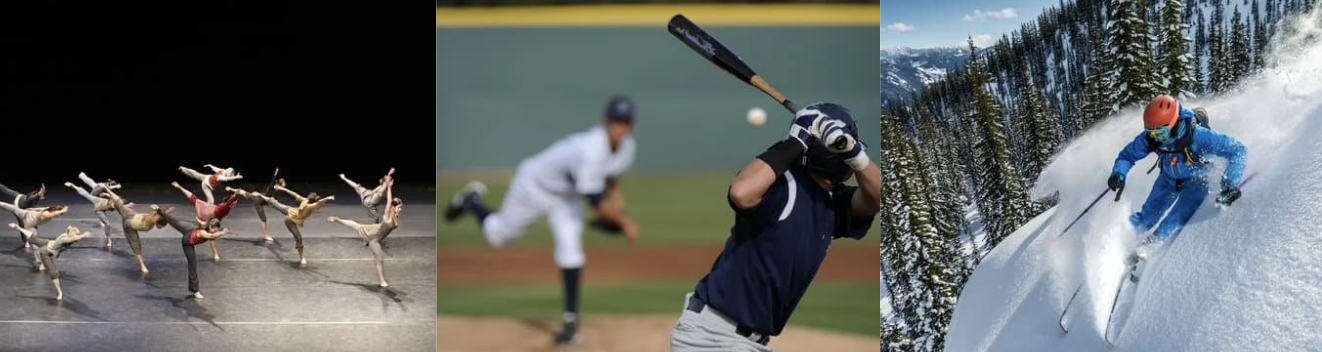
Dance (Ballet & Competitive Studio)
Dancers often suffer from hamstring overuse injuries, particularly where the muscle attaches at the sit bone.
These account for roughly 12% of all injuries in youth dancers.
High flexibility without enough strength or alignment control is a major cause.
Baseball (Elite Travel and High School Levels)
Hamstring strains account for 8–12% of all muscle injuries in elite youth and high school baseball.
Most common in outfielders and base runners, especially during sprinting or sudden stops.
Injuries often occur during acceleration out of the batter’s box or aggressive base stealing.
Pitchers can also experience hamstring issues related to lower-body mechanics, hip rotation, and push-off force imbalances.
Skiing (Alpine & Freestyle Youth Competitors)
-
Hamstring injuries are less common than knee or ACL injuries, but still present in 8–12% of muscle strains, often due to:
Loading the hamstring while lengthening as the skier slows down
Hip and hamstring fatigue during long training sessions
Bent over posture and uneven loading on turns may contribute to pelvic asymmetry, especially in technical disciplines.
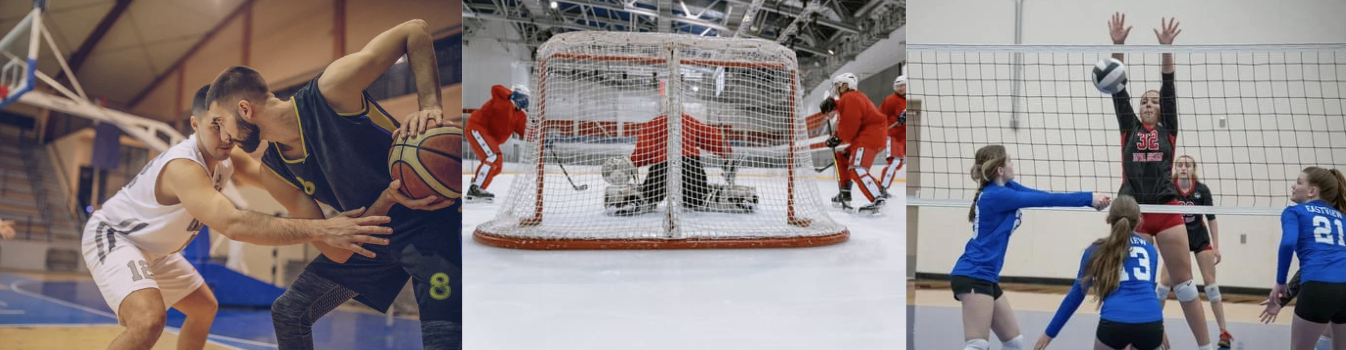
Basketball
While ankle and knee injuries are more common, hamstring strains still affect 5–10% of elite youth basketball players.
Sprinting, fast breaks, and cutting movements increase risk.
Fatigue and imbalances between the quads and hamstrings contribute to vulnerability.
Hockey (Elite Youth & Junior Levels)
Hamstring injuries are less common than groin, hip flexor, and adductor injuries in hockey but still account for about 5–10% of muscle strains.
Most frequently occur during explosive skating, quick directional changes, or falls.
Sprint-style acceleration from a dead stop (especially during breakaways or chasing a puck) puts sudden demand on the hamstrings.
Volleyball (Elite Club & High School)
Hamstring injuries are less frequent than ankle, knee, and shoulder issues, but still comprise 5–8% of lower body injuries.
Typically occur during explosive jumps, dives, or quick changes in direction, particularly in outside hitters and liberos.
Often linked to quad dominance and lack of posterior chain engagement, which can be worsened by poor pelvic alignment.
Tennis (Elite Junior & Collegiate-Track Youth Players)
Hamstring injuries in youth tennis account for 6–10% of soft tissue injuries, especially among high-performance juniors.
-
Most commonly occur during:
Explosive first-step acceleration
Sudden lunges or slides on hard courts
Overhead serving motions with poor lower-body engagement
Hamstrings are often overloaded during deceleration and directional recovery after wide shots.
Pelvic rotation or asymmetry from repetitive one-sided movement (forehands, serves) can alter hip mechanics and increase hamstring strain risk.
Summary Across All Sports: Growth Spurts + Alignment = Risk
Regardless of sport, hamstring injury rates spike during adolescent growth spurts.
A common—but often unaddressed—factor is hip and sacroiliac joint misalignment, which can place abnormal strain on the hamstrings and surrounding muscles.
-
Re-Injury Is Common
Up to 30% of youth players who experience a hamstring injury will reinjure the same area within a season
Re-injury risk is especially high if the underlying cause—such as poor hip/SI joint alignment—is not addressed.
FREE GUIDE!
How to Care for ANY Sports Injury in the Crucial First 24-72 Hours
In this free guide, I walk you through how to tell if an injury needs immediate medical care and give you simple and easy step by step instructions for what to do at home for any other injury during this important time. I’ll also give you some tips for how to decide what comes next, based on the signs and symptoms you’re seeing with your athlete.
Don’t get lost in stress and worry about your athlete’s injury or ignore it and hope it will just go away. Grab my FREE GUIDE today to level up your ability to take care of your athlete!