- Jan 14
Why hamstring injuries keep coming back in young athletes
- Deniece Oates
Hamstring injuries are so common in sports, and often become the bane of young athlete's lives, because they keep coming back. The recurrence rate is as high as 30%, especially in the first two months after returning to play. Why does this keep happening?
The #1 Risk Factor for Hamstring injury: Having Had One Before
Once a hamstring has been injured, it becomes more vulnerable to future damage unless specific underlying issues are addressed. Pain going away does not mean the muscle is fully prepared to handle high-level athletic demands again.
Below are the five most common reasons hamstring injuries keep coming back.
1 - Returning to sport too soon after a hamstring injury
Athletes often return to play when pain is gone, and they feel good doing regular activities. While healing of the tissue has occurred, it is weak and highly vulnerable to re-injury. Muscles need gradual exposure to increasing intensity and duration to regain strength and resilience. Skipping this step places too much stress on healing tissue before it’s ready, dramatically increasing re-injury risk.
2 - Hamstring strength Is too low compared to quadriceps strength
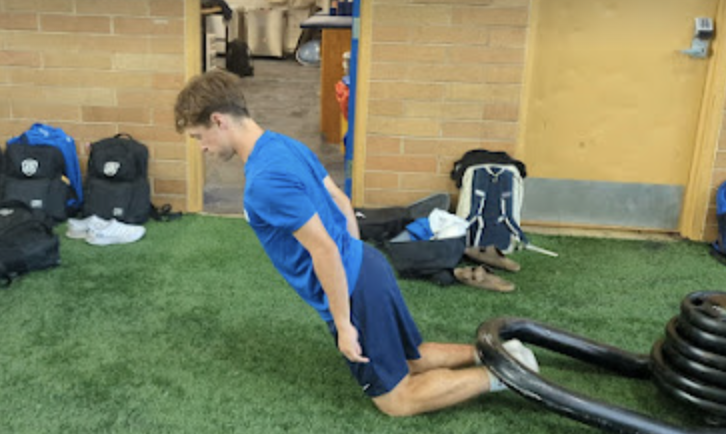
In many athletes—especially males—the quadriceps are much stronger than the hamstrings. It is recommended that the hamstring/quadriceps ratio be at least 85% for athletes, especially those that play sports that involve a lot of sprinting, quick stops and starts, and changing directions. Many athletes are well below 85% before a hamstring injury, then return to play with a hamstring that is even weaker. In addition, there is a great difference in strength between legs. Athletes have to diligently work to strengthen their hamstring even after they return to activity, especially for loading their hamstring while it is lengthening and counteracting the contraction of the quadriceps. This requires eccentric strength exercises - for which the Nordic Hamstring curl is recognized as the best exercise for preventing hamstring injury.
3 - Weak Core and Hip Muscles Force the Hamstrings to Work Overtime
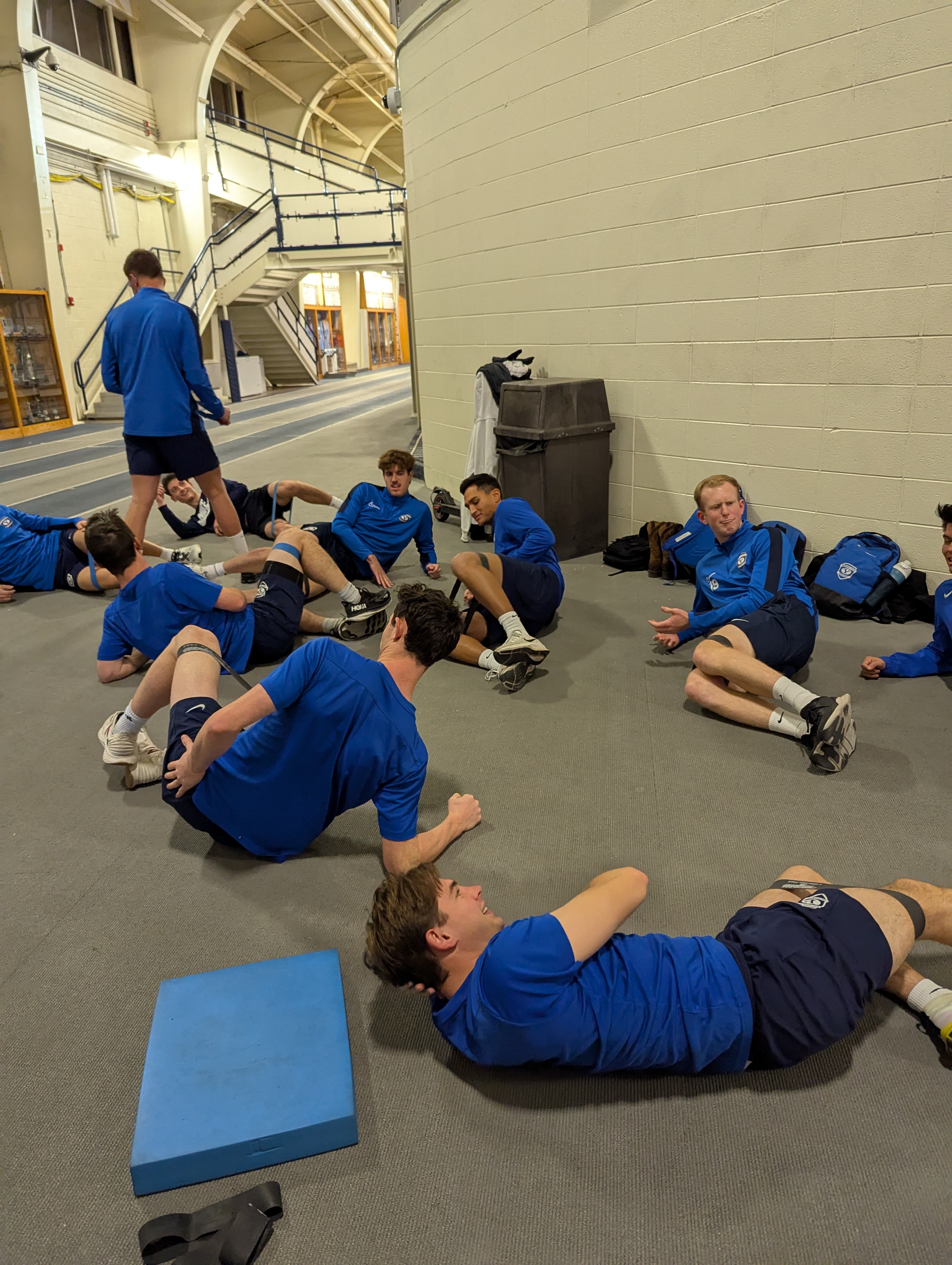
The hamstrings don’t work in isolation. When the muscles of the hips, pelvis, and trunk aren’t strong enough to stabilize the body, the hamstrings are forced to pick up the slack. Strong core and hip muscles help to stabilize pelvic position and control movement efficiently, thereby reducing strain on the the hamstrings.
4 - Fatigued muscles tear more easily
Muscles that are weak or overloaded will fatigue faster. Fatigued muscles react more slowly, absorb force less effectively, and tear more easily. This means strength deficits and excessive workloads often combine to create the perfect conditions for re-injury.
5 - Pelvic bone misalignment: The overlooked cause of hamstring injuries
One of the most commonly missed contributors to hamstring injuries is misalignment of the pelvic bones. Because of overuse, muscle strength imbalances and the forces associated with athletic motions, the bones of the pelvis shift around and become stuck in a misaligned position. In a common misaligned pattern, the hamstring’s attachment point on the pelvis sits higher than normal, placing the muscle in a constantly elongated and tight position. With repeated exposure to high level force and less than ideal angles of contraction, the hamstring will get irritated and tear more easily.
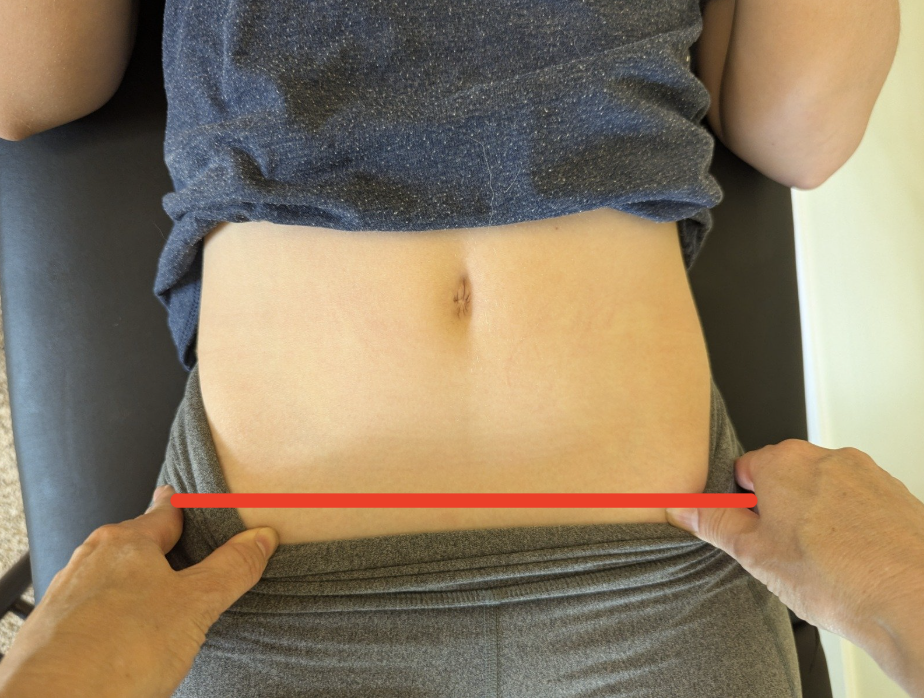
If pelvic misalignment remains after an injury, the hamstring continues to function under poor mechanical conditions—even if strength work is done.
What Actually Reduces Hamstring Re-injury Risk Long-Term
To truly reduce the risk of recurring hamstring injuries, athletes need to:
✔ Address pelvic alignment after injury
Restore the pelvis as close to neutral alignment as possible.
✔ Strengthen muscles to handle natural pelvic movement and the workload of sports activities
Build strength in the hamstrings, hips, and core so the pelvis can shift safely during sport.
✔ Monitor and maintain alignment over time
Pelvic alignment isn’t a one-time fix—it needs to be checked and adjusted periodically, especially during heavy training and competition seasons.
FREE GUIDE!
How to Care for ANY Sports Injury in the Crucial First 24-72 Hours
In this free guide, I walk you through how to tell if an injury needs immediate medical care and give you simple and easy step by step instructions for what to do at home for any other injury during this important time. I’ll also give you some tips for how to decide what comes next, based on the signs and symptoms you’re seeing with your athlete.
Don’t get lost in stress and worry about your athlete’s injury or ignore it and hope it will just go away. Grab my FREE GUIDE today to level up your ability to take care of your athlete!