- Dec 18, 2025
Moms, athletes and the ER
- Deniece Oates
Moms have a powerful instinct to take care of their kids. When our child is in pain, we want to fix it immediately—no matter the cost or inconvenience.
I work mostly with college-age athletes, so I don’t interact with moms very often. But during a recent Collegiate Club Soccer National Championship Tournament, two of my players were injured.
Neither injury was life-threatening:
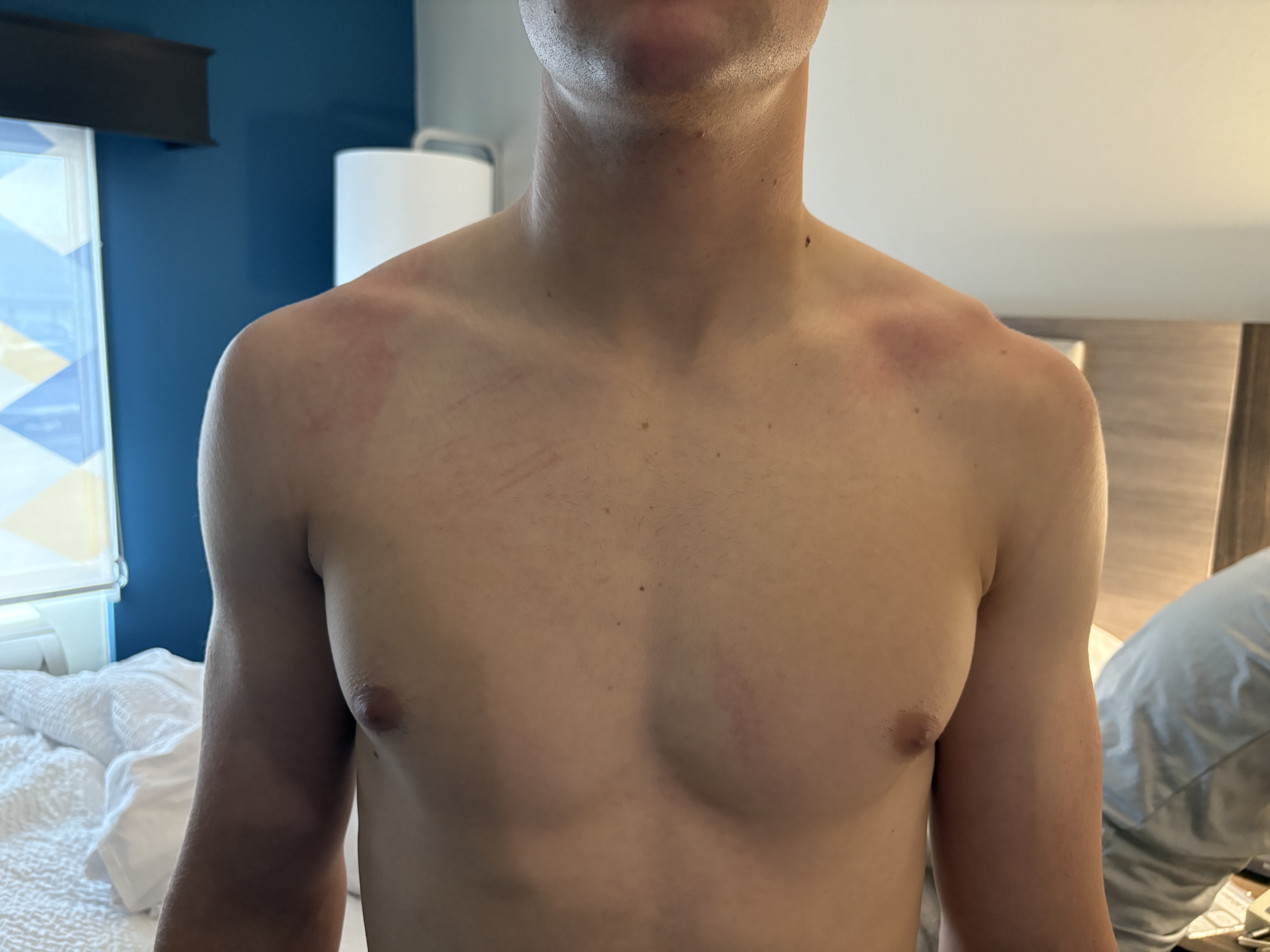
One athlete tore a ligament in his shoulder
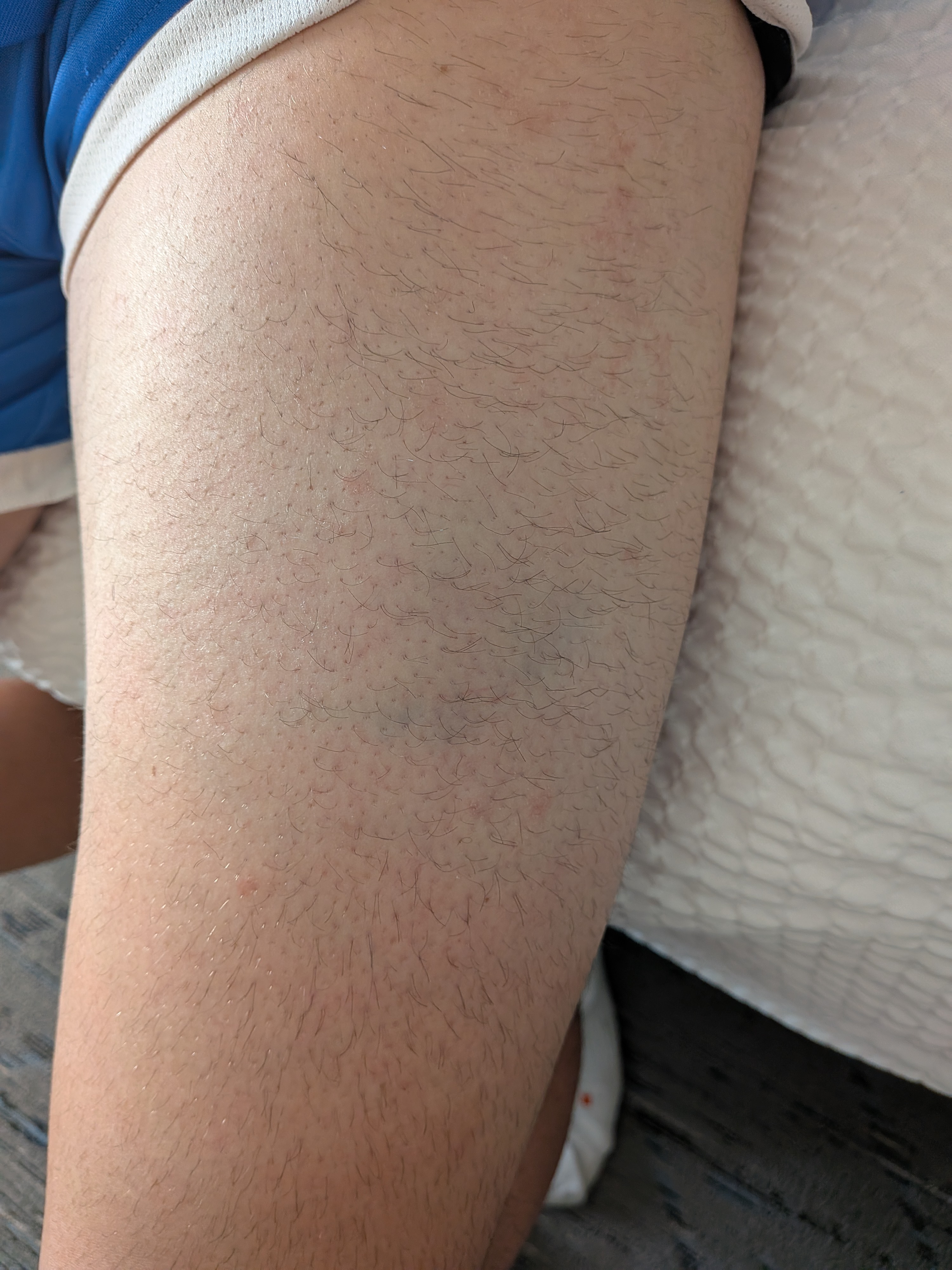
the other had a deep thigh bruise
Both injuries involved significant pain and neither player could continue playing. Their moms were anxious, stressed, and hovering nearby. Both asked me the same question:
“Should we take him to the ER?”
That question made me pause.
From a sports medicine perspective, these injuries were not at all serious enough for an emergency room visit. But from a mom’s perspective, the pain alone felt serious enough to justify it.
Here’s the reality:
If they had gone to the ER, their sons would have likely received a wrap, pain medication, and instructions to follow up with a sports medicine provider once they got home—plus a very expensive bill.
When Does a Sports Injury Actually Need the ER?
Moms, this is important:
Very few sports injuries truly require an ER visit.
Emergency care is needed when basic life functions are at risk, such as:
Trouble breathing
Worsening confusion or mental changes
Heavy, uncontrolled bleeding
A major deformity (a bone or joint clearly out of place)
Pain—even intense pain—and difficulty using a body part are common with sports injuries. On their own, they are not reasons to rush to the ER - even if you are away from home in an unfamiliar place.
Why the ER Isn’t the Best Place for Most Sports Injuries
Most injuries need something much simpler:
consistent care during the first 24–72 hours.
The ER isn’t designed to provide that type of care. They’ll tell you what to do and send you home (or back to your hotel) to do it yourself.
What usually drives moms to the ER is:
Fear
Stress
Not knowing what to do
When you don’t know how to help your child, everything feels urgent and dangerous. Let me tell you the basics of injury care, so I can save you stress, time and money.
The Basics of Care for Any Sports Injury
These steps apply to every sports injury (honestly, any injury) regardless of how it happens.
1. Relative Rest
Stop the activity that caused the injury. Modify daily life so your child isn’t making the injury worse, but can still do as much as possible.
2. Ice
Ice for 20 minutes on, 90 minutes off, as often as possible.
Use Ziploc bags, gas station ice, or a hotel ice machine. You can always make this happen.
3. Compression
Use an elastic wrap or compression sleeve.
Shoulder injuries may need a sling or tape. Pharmacies and sporting goods stores have what you need.
4. Elevation
Raise the injured body part off the floor.
Above heart level is best, but do what you can using pillows, backpacks, or suitcases.
Why These Steps Matter So Much
All of these steps are about damage control.
When an injury happens, small blood vessels are damaged and bleeding occurs inside the tissue. This happens with both minor and major injuries.
The sooner you stop that bleeding, the sooner healing can start. Diligently following these steps will set the athlete up for the best recovery process.
What to Do After the First 72 Hours
After 24–72 hours of consistent basic care, you can make a clear decision about next steps:
Sports medicine physician
Physical therapist
Athletic trainer
Or continued home care
At that point, you’re making decisions based on information—not panic.
Take the Guesswork Out of Injury Care
Check out the free guide below to for the following:
Exactly how to perform these steps
What’s normal vs. concerning after 72 hours
How to decide what type of care your child actually needs
Knowledge replaces panic.
And confident care beats a rushed ER visit every time.
FREE GUIDE!
How to Care for ANY Sports Injury in the Crucial First 24-72 Hours
In this free guide, I walk you through how to tell if an injury needs immediate medical care and give you simple and easy step by step instructions for what to do at home for any other injury during this important time. I’ll also give you some tips for how to decide what comes next, based on the signs and symptoms you’re seeing with your athlete.
Don’t get lost in stress and worry about your athlete’s injury or ignore it and hope it will just go away. Grab my FREE GUIDE today to level up your ability to take care of your athlete!