- Feb 20
My daughter's emergency room bill
- Deniece Oates
My daughter was recently kicked in the lower abdomen by a horse. It was a strange situation - completely unpredictable. This injury situation was definitely emergency room worthy - she was in such extreme pain that there had to be some serious internal damage. In the ER, they put in an IV, gave her some pain meds and sent her off for a CT scan. It turned out to be some major liver damage, which required a hospital stay. I have no complaint about the care she received in the ER, or the decision making process. They were kind and helpful.
Now let’s take a look at the bill. I’m not going to get into details about all the costs, but I’ve circled the line that says "Emergency Room - general classification". This is the amount charged before the insurance paid anything - and this is just to sit in that room, have someone ask questions, a nurse start an IV and bring some pain medicine, and a doctor make some decisions - 2 hours max. The pain medicine, the IV, and the CT scan were separate charges.
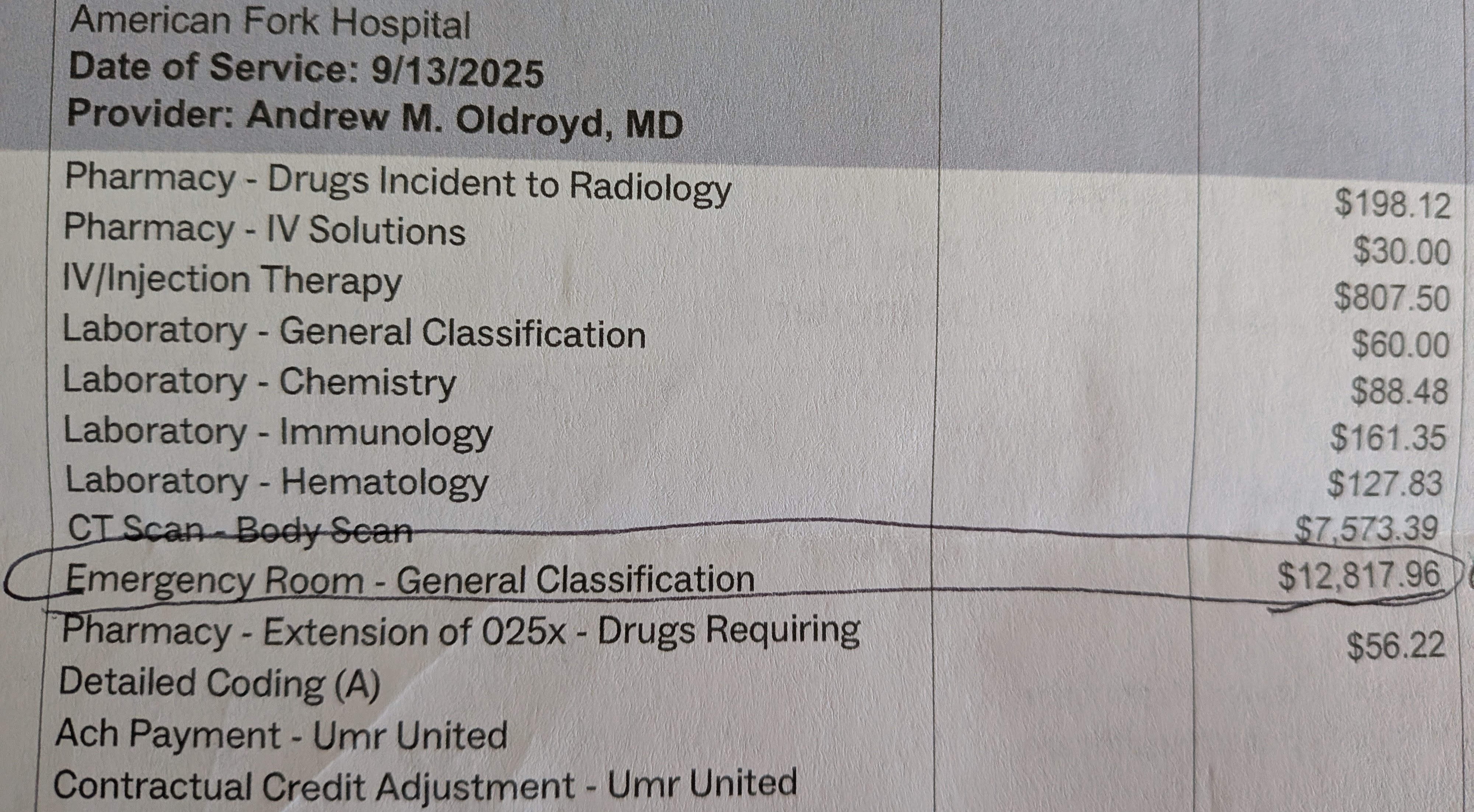
$12,817.96 for the emergency room.
Seriously? Ugghhh.
Since we have insurance, we did not end up having to pay that much for the emergency room visit, but we still had to pay a lot for an average family in the United States. As I said, this situation was ER worthy, but so many kids with sports injuries go to the emergency room that really don't have to!
Sports injuries and the Emergency Room - some stats
According to an article from Nationwide Children's:
Sports are the second leading cause for emergency room visits for both children and adolescents
About 3 million youth are seen in the ER for sports related injuries each year
And in a report by Safe Kids:
Costs for emergency room visits for sports injuries exceed $935 million a year
Sports injuries account for 20% of Emergency Room visits for kids between ages 6-19 every year
The reality of sport injuries and the Emergency Room
What I want to emphasize is that most of these sports injuries (like 99% - that’s a guess I admit) are not near serious enough for an emergency room visit! They’re not life threatening! They’re not conditions that could possibly get worse and become life threatening! These kids are in serious pain and their body parts aren’t moving too well. That’s very normal for sports injuries. What’s really going on here is that their parents take them to the emergency room, because it’s an evening or a weekend, so getting in to a doctor is not easy, their child is in pain, and THEY DON'T KNOW WHAT ELSE TO DO!
What happens with a sports injury at the Emergency Room when it's not actually an emergency?
They'll probably do an x-ray - but here’s the thing - if it’s broken or it’s not broken, the treatment in the moment is exactly the same! They will put some kind of wrap on it, and tell you to make an appointment with a sports medicine physician in a few days. Is it worth it to you to pay thousands of dollars to know definitively that it’s broken or not broken a few days sooner - even if what you have to do to take care of it is exactly the same?
They'll put some kind of splint or wrap on it - this is for support and compression. You can buy such splints or wraps at a store with a pharmacy for about $10-$50.
They'll give you a prescription for pain meds - these are a bit stronger than over the counter pain meds, but again, is that worth thousands of dollars?
They'll give you a list of instructions of what to do, then SEND YOU HOME TO TAKE CARE OF IT YOURSELF.
Don’t get caught paying thousands of dollars for some basic information and some peace of mind. Get your peace of mind from knowing how to do basic care yourself, AND from saving yourself a lot of time and money.
Here's that list of instructions of what to do to take care of it, regardless of what exactly the injury is:
REST
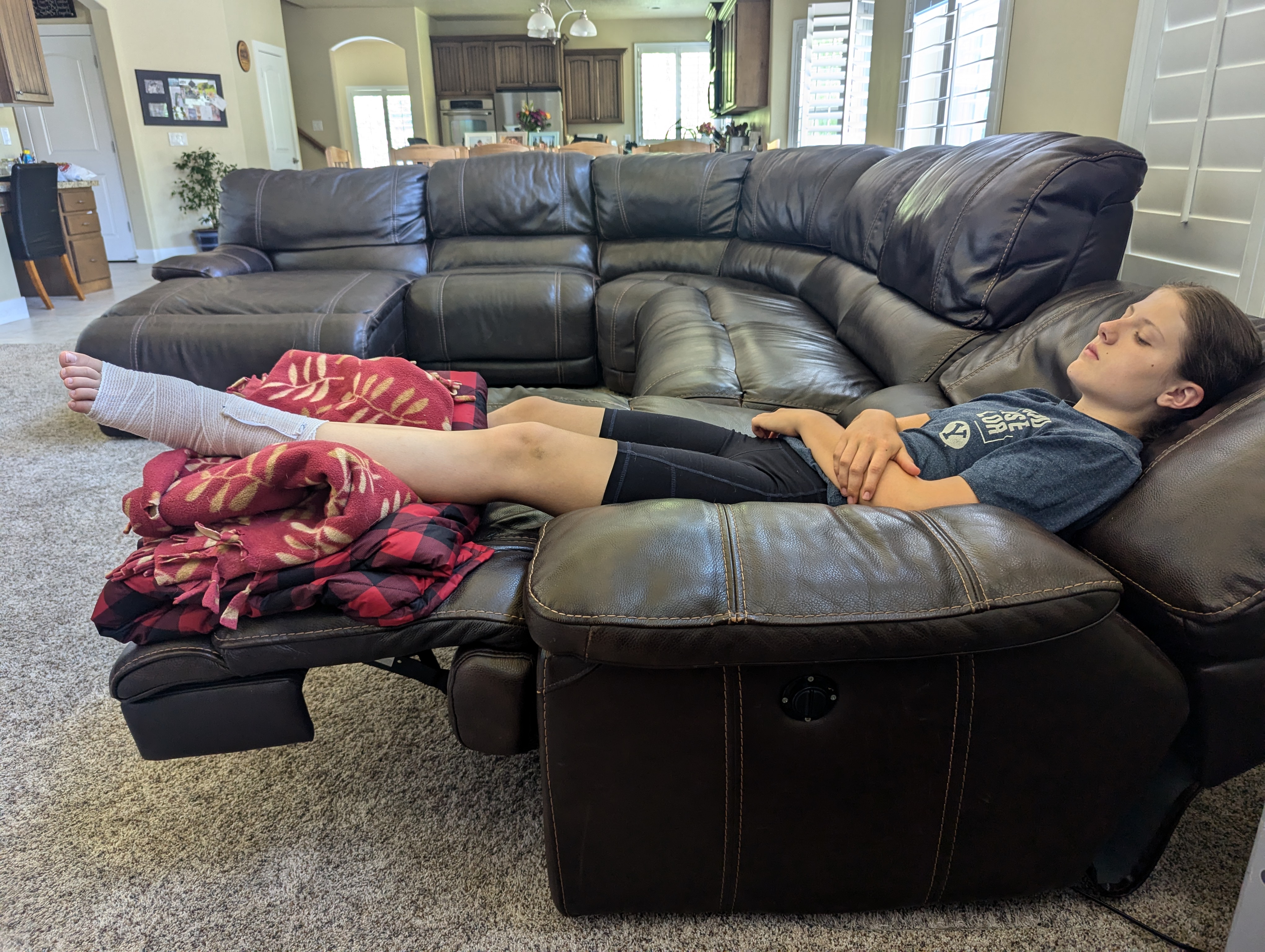
This is basic. If the athlete can't put weight on it without a lot of pain, rent some crutches from a store with a pharmacy. If holding the body part in a normal position is tiring or painful, get a sling. Create the most comfortable circumstances for sleeping you can. Limit all the ups and downs and moving around for a few days.
ICE
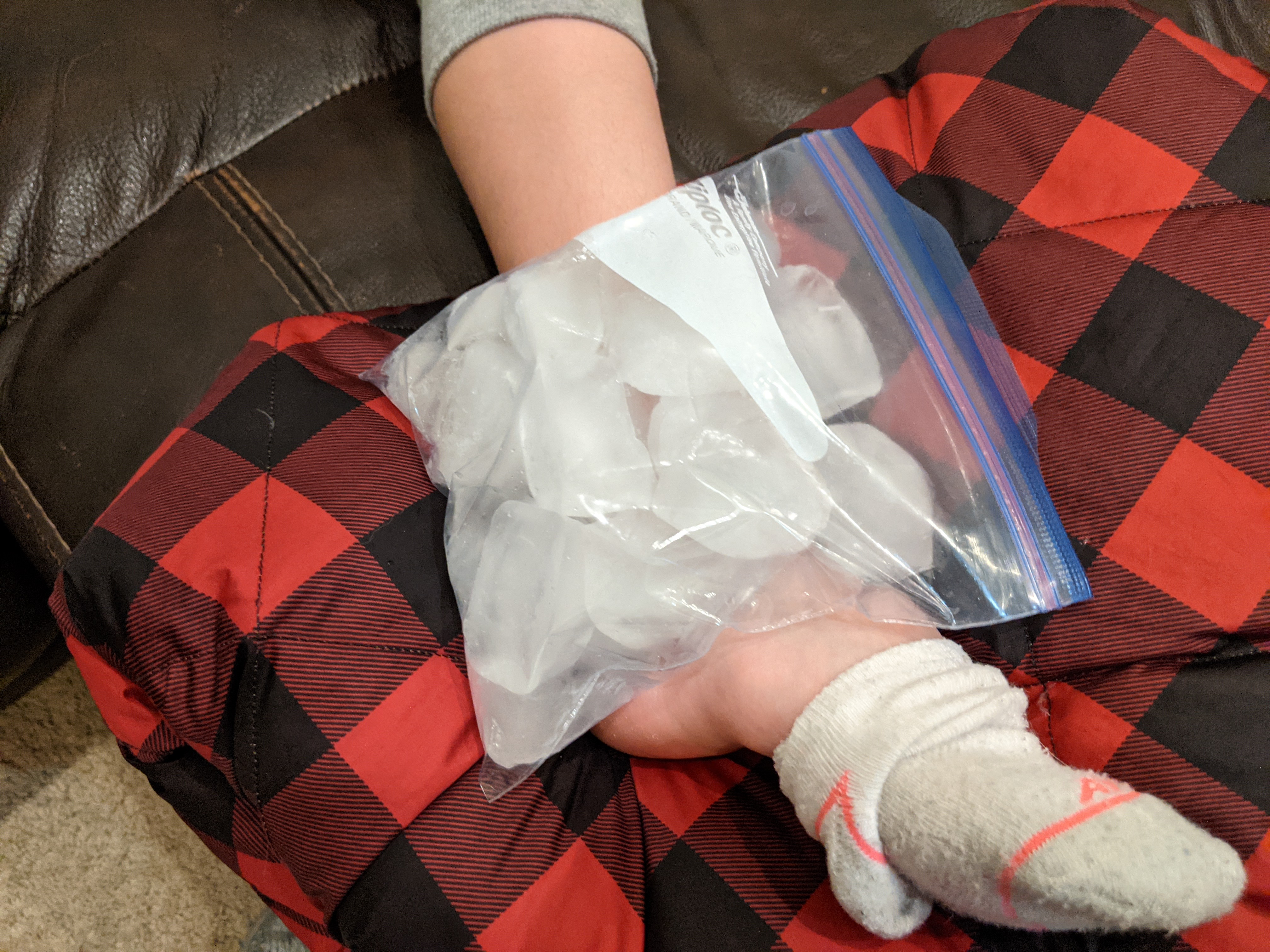
20 minutes on, 90 minutes off for an ice pack
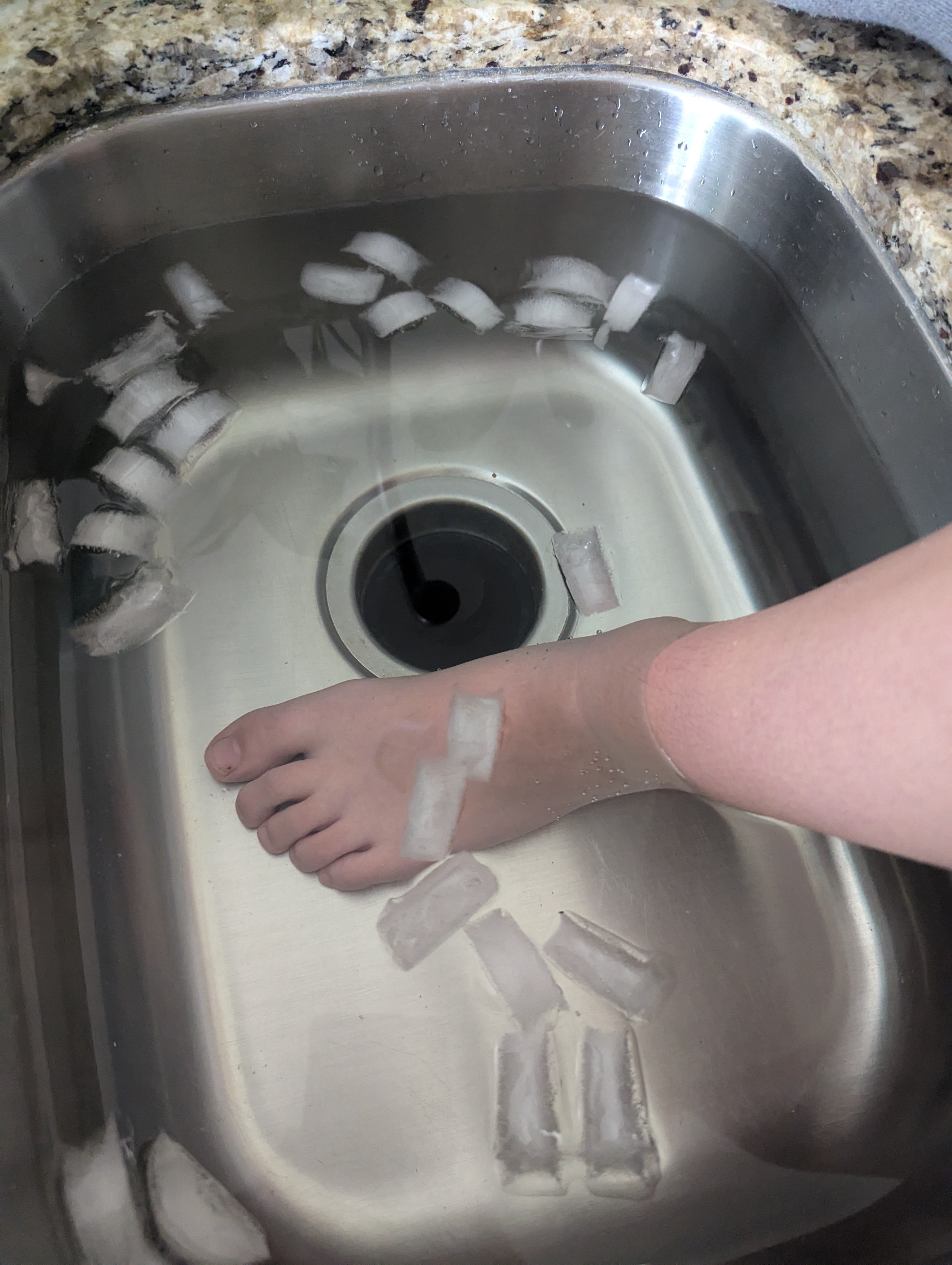
8-10 minutes for an ice bath
As much as the athlete can do it. Don’t wake up during the night. Being on top of this is the BEST thing you can do.
Compression
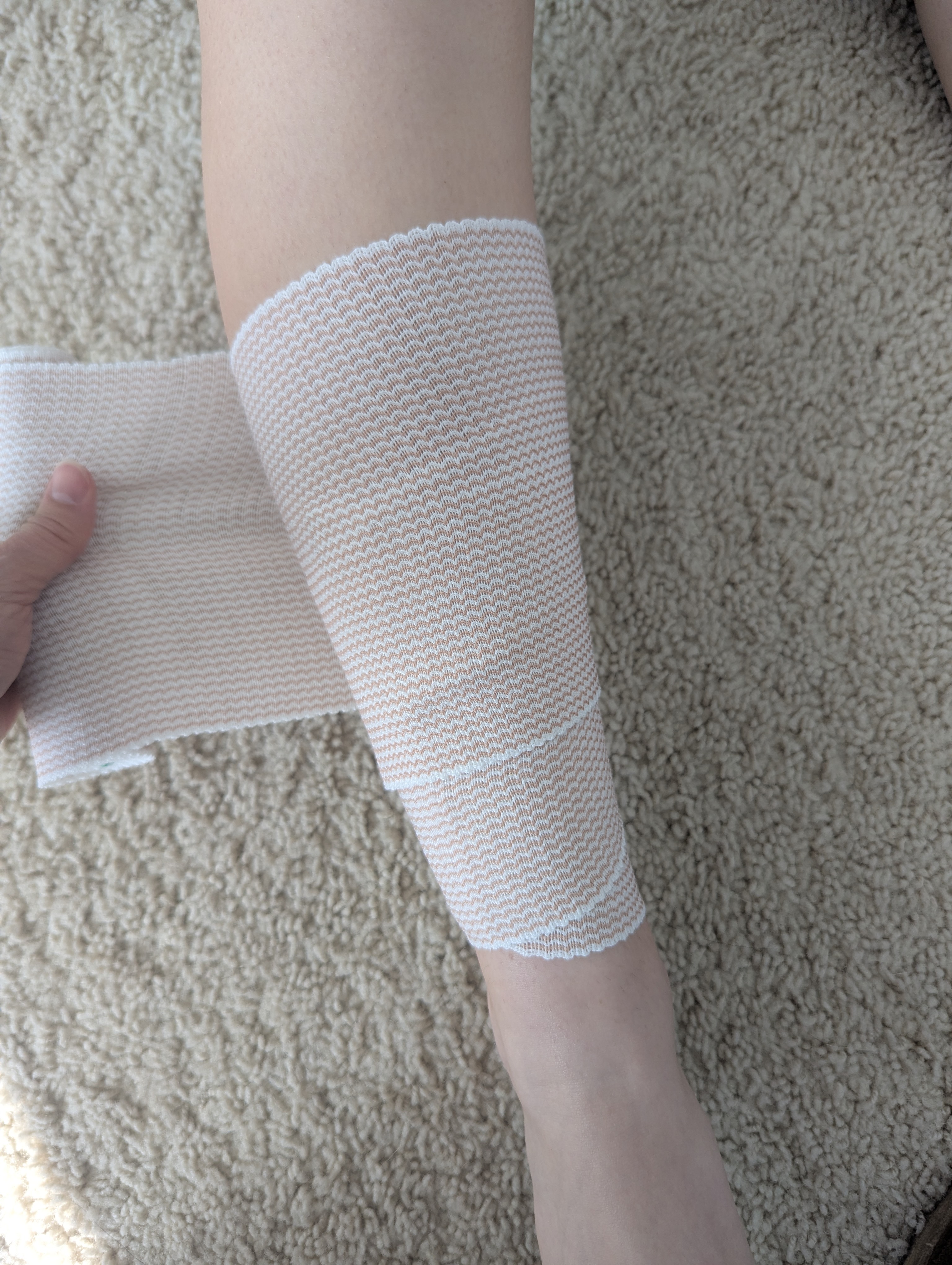
Get an elastic bandage at a store with a pharmacy section. Start wrapping below the injury and wrap toward the heart. Keep wrapping for compression until you’ve passed the injury site. The rest of the wrap can be looser. Don’t get it too tight. You’ll know if it's too tight, if the athlete is uncomfortable and the color in the body part below the bandage is not normal. The athlete should sleep with the bandage on. It may feel too tight and start throbbing during the night. If that happens, loosen the bandage but don't take it off.
Elevation
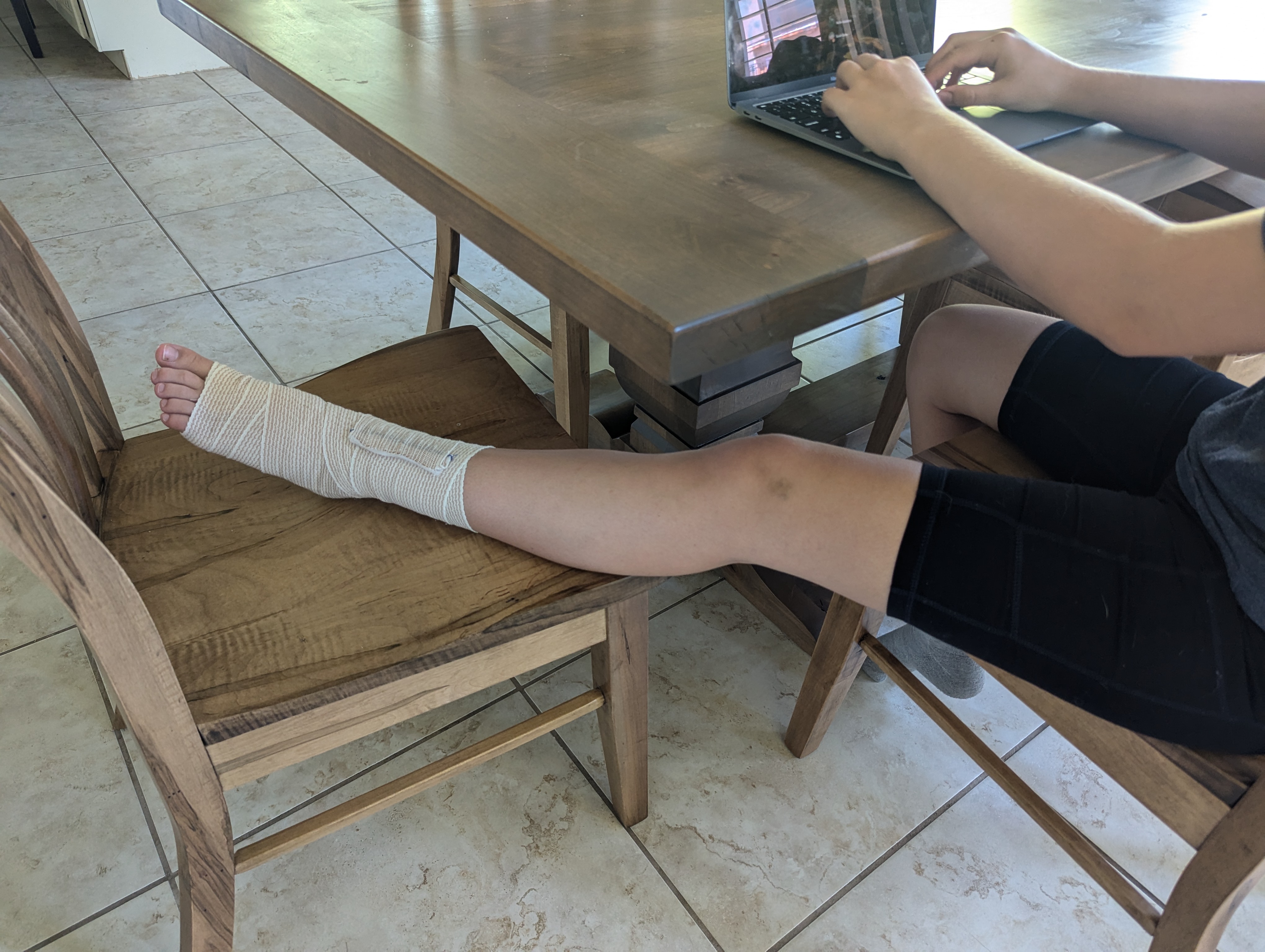
Sit with it up, any which way. Prop it up with pillows, cushions, boxes, whatever.
Pain meds
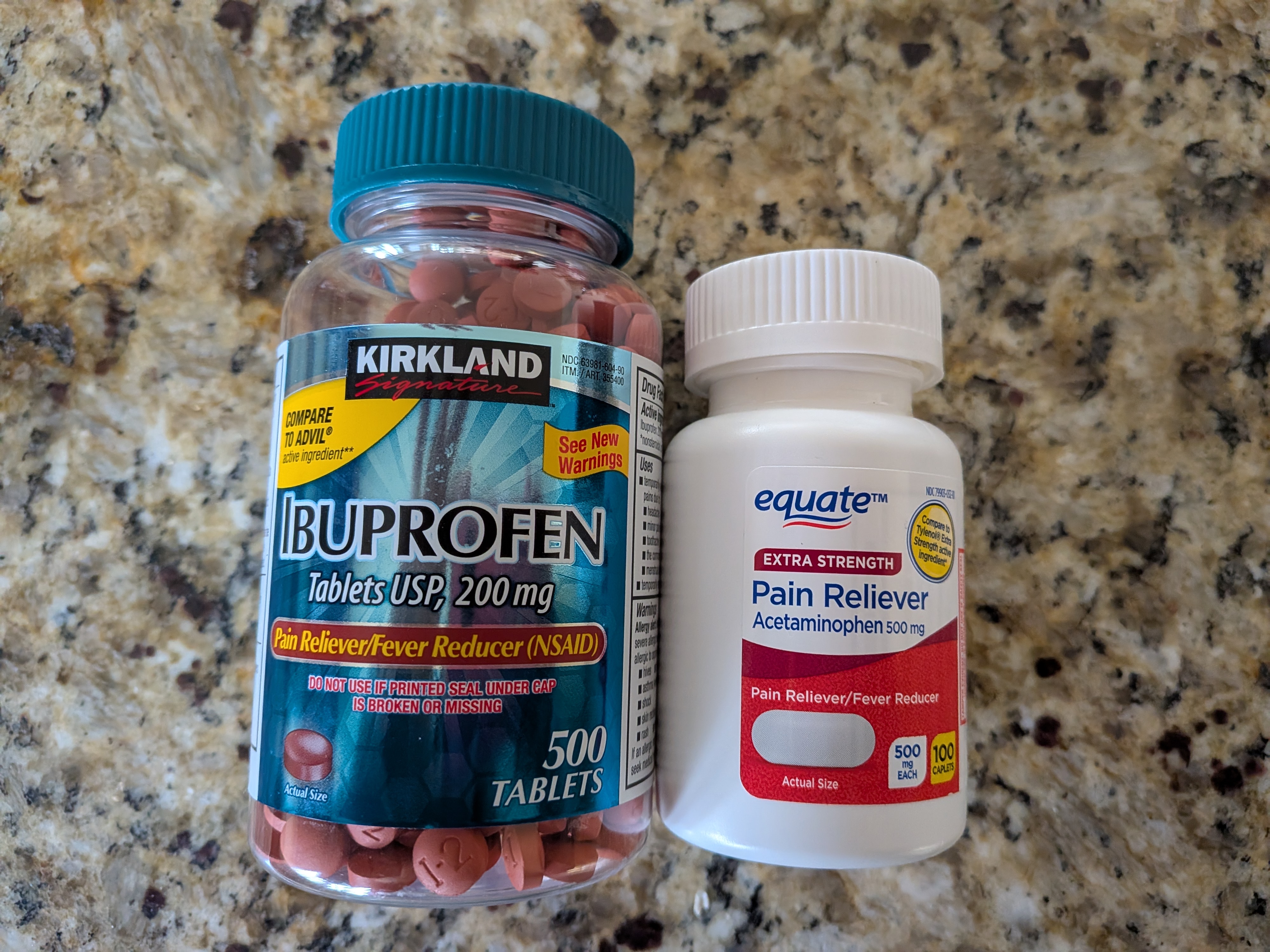
The athlete can ALTERNATE taking 1000 mg of acetaminophen and 600 mg of ibuprofen every two hours.
Follow these instructions for 24-72 hours. Judge by the amount of progression if you need to go to the doctor or not.
There you go. Don’t spend $12,817.96 (or any amount) for this information. It's free! You’re welcome! For a more detailed explanation of these instructions, sign up for my free guide below.
FREE GUIDE!
How to Care for ANY Sports Injury in the Crucial First 24-72 Hours
In this free guide, I walk you through how to tell if an injury needs immediate medical care and give you simple and easy step by step instructions for what to do at home for any other injury during this important time. I’ll also give you some tips for how to decide what comes next, based on the signs and symptoms you’re seeing with your athlete.
Don’t get lost in stress and worry about your athlete’s injury or ignore it and hope it will just go away. Grab my FREE GUIDE today to level up your ability to take care of your athlete!