- Dec 31, 2025
Pelvic Misalignment: The often overlooked reason behind muscle pain
- Deniece Oates
The pelvis is made up of three bones: two hip bones and the sacrum. The sacrum sits at the bottom of the spine, right above the tailbone. These three bones are held together by ligaments, which are strong but flexible bands of tissue.
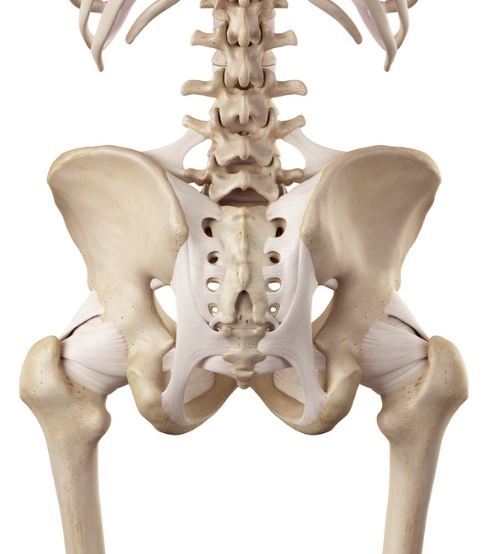
That’s important, because the pelvis is meant to move.
The bones of the pelvis need to shift slightly so the body can run, jump, twist, and change direction. If the pelvis were completely stiff, movement would be very limited—or the bones would break under stress.
What Is Neutral Alignment?
When the pelvic bones are in a neutral position, the hips and trunk can move through their full range of motion. Muscles are able to work in the way they are supposed to.
This means:
Movement is smooth and efficient
Muscles can produce the right amount of force
Power and performance are at their best
In simple terms: the body works better and performs better.
How Pelvic Misalignment Happens
Over time, the bones of the pelvis can get stuck slightly out of neutral. This is called pelvic misalignment. It can happen on one side or both sides.
There are many common reasons this can happen, especially in active people and athletes:
Muscles get tired or irritated from doing the same movements over and over
Some muscles are stronger than others
One leg is used more than the other (a dominant leg)
Muscles aren’t strong enough for the demands placed on them
Activities that involve planting on one leg and twisting or kicking with the other
Sports with lots of stopping, starting, and quick direction changes
Sports with frequent contact or collisions
Being tackled
Falling
Being stretched beyond a normal range of motion
Playing on uneven or slippery surfaces

What Happens When the Pelvis Is Misaligned?
When the pelvic bones are out of alignment, movement becomes less efficient.
Muscles may:
Start working from poor positions
Have to help with movements they normally wouldn’t
Fatigue faster
Become irritated or painful
Full range of motion is limited, and the body can’t produce force or power as well. This means performance drops, and the risk of muscle problems increases.
Pelvic misalignment is very common and plays a role in many injuries to muscles that are attached to it - ie the hamstrings, groin, low back, hip flexors and Tensor Fasciae Latae/IT Band. The role of pelvic misalignment in these injuries is often overlooked.
Can Pelvic Misalignment Be Fixed?
Because the pelvis needs to move and shift, misalignment isn’t something that gets “fixed” once and never comes back.
Instead, the goal is management.
Regularly checking alignment and making small adjustments helps keep the pelvis as close to neutral as possible. Strengthening the right muscles, along with targeted stretching and rolling out, helps reduce irritation and allows the body to better handle the normal stress of activity.
When the pelvis is managed well, the body moves better, feels better, and performs better.
FREE GUIDE!
How to Care for ANY Sports Injury in the Crucial First 24-72 Hours
In this free guide, I walk you through how to tell if an injury needs immediate medical care and give you simple and easy step by step instructions for what to do at home for any other injury during this important time. I’ll also give you some tips for how to decide what comes next, based on the signs and symptoms you’re seeing with your athlete.
Don’t get lost in stress and worry about your athlete’s injury or ignore it and hope it will just go away. Grab my FREE GUIDE today to level up your ability to take care of your athlete!