- Jul 24
The View From The Athletic Trainer Covering Your Kid's Summer Sports Camp
- Deniece Oates
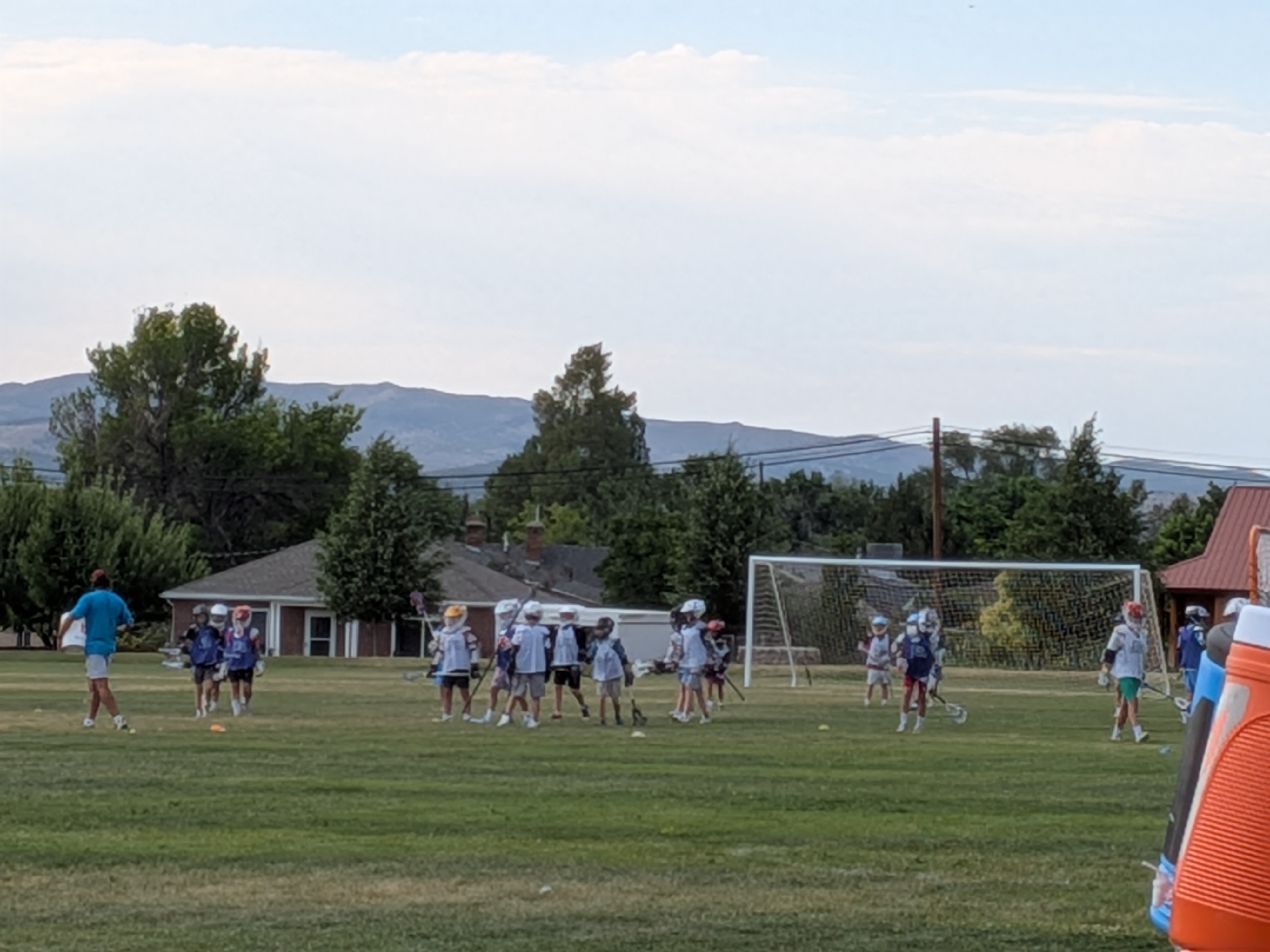
Day three of boys lacrosse camp. Central Utah, July, the kind of dry heat that sits on you all day. These guys had already done morning lacrosse, a hike, and a game of flag football when a kid walked up to me holding his head.
"I have a headache."
Fair enough - playing lacrosse morning and night, everything else crammed into the afternoons: swimming, hiking, kickball, basketball. A headache on day three, after that kind of day, in that kind of heat, reads as a tinge of heat exhaustion/dehydration until proven otherwise. He was far from the first.
Then he told me the rest. A few days before camp, he'd smacked his head on the pavement. Someone, he thought she was an athletic trainer, told him it was a concussion. No formal diagnosis. No headache all week at camp until now, but he was suddenly worried it was because of the concussion. Nobody had said a word to me or to camp leadership about it.
I evaluated him for a concussion on the spot. No red flags beyond the headache itself, which fit the day he'd just had a lot better than it fit a week-old head injury. He drank some concentrated electrolytes and sat out evening practice in the shade. No headache the next day. Back at it, no problems, the rest of camp. He was fine.
That's not what stuck with me.
Fifty kids on that field, and I can watch every one of them. I cannot watch every one of them closely. The ones I watch closely are the ones somebody flags for me — a prior injury, a condition, a "keep an eye on him." Nobody flagged this kid. I had no way to know, on day one, that he may be in a different situation than the others.
So here's what I'd hand any parent sending a kid to a camp, this summer:
The Camp Check-In Rule
Any injury in the last few weeks — even one that looks fully healed — gets mentioned at check-in. Let the person responsible for your kid decide if it matters.
If there's any chance your kid took a hit to the head, get a real answer about a concussion before you drop him off. Yes or no, from someone qualified to say it. "Someone told me" is not a diagnosis.
This matters most in contact sports. A second hit before a concussion resolves can be serious. A helmet protects against a skull fracture. It does nothing for a concussion. Those are two different jobs, and only one of them is covered.
Please make people aware of prior incidents and injuries when you're sending your child off for a week of intense work and fun. It will help the athletic trainer take better care of them, and fulfill the promise of an amazing week for the kid and a peaceful one for the parents.
FREE GUIDE!
How to Care for ANY Sports Injury in the Crucial First 24-72 Hours
In this free guide, I walk you through how to tell if an injury needs immediate medical care and give you simple and easy step by step instructions for what to do at home for any other injury during this important time. I’ll also give you some tips for how to decide what comes next, based on the signs and symptoms you’re seeing with your athlete.
Don’t get lost in stress and worry about your athlete’s injury or ignore it and hope it will just go away. Grab my FREE GUIDE today to level up your ability to take care of your athlete!